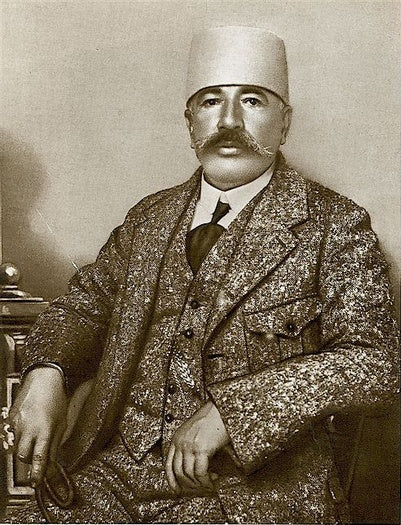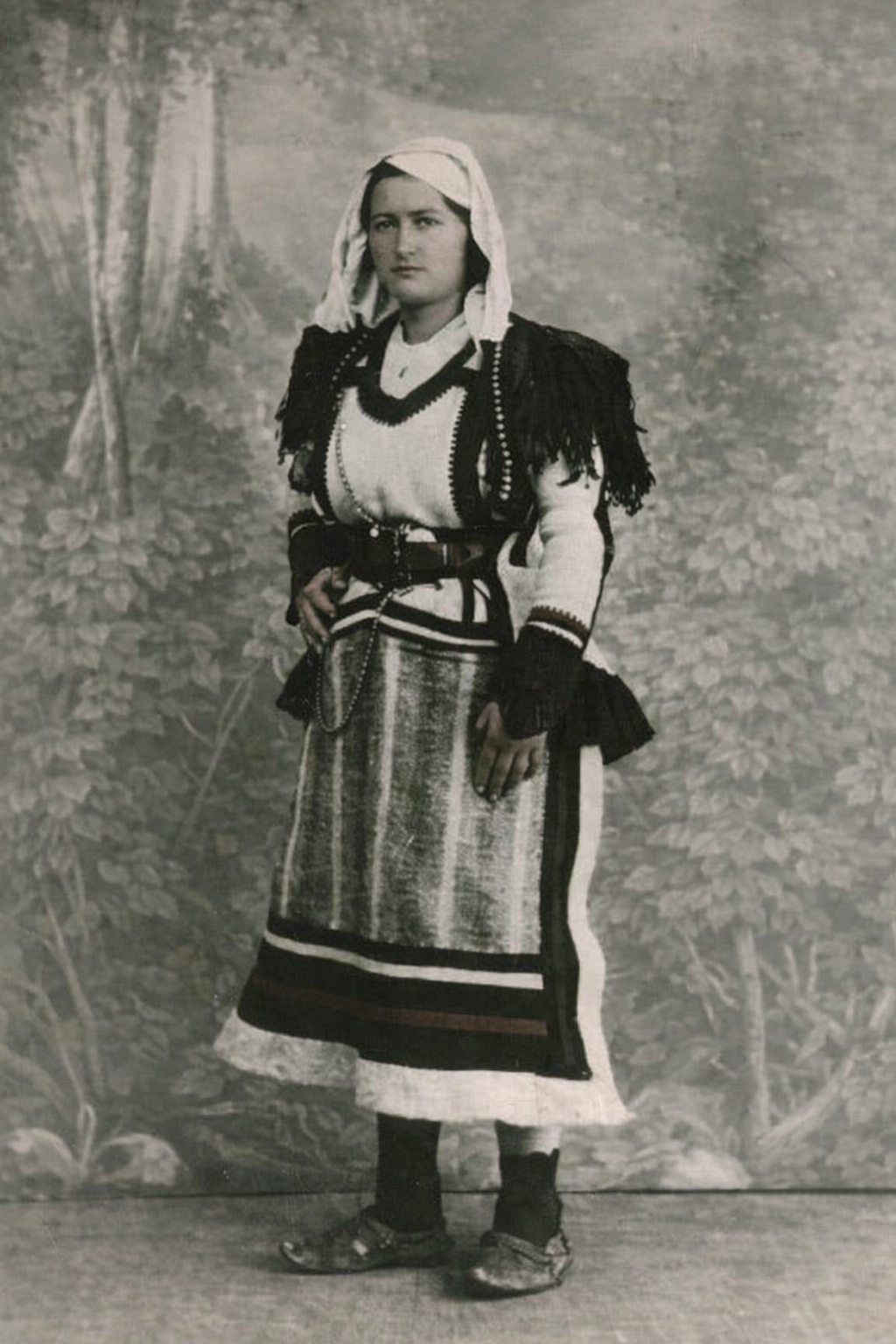

Long before borders were drawn and histories were written in ink, there were names that lived in the mountains—spoken, remembered, and carried through generations. Hoti is one of those names.
It first appears in records as early as 1330, but its roots run far deeper than any document can capture. By 1474, the land itself bore its mark—Montanea Octorum, the Mountains of Hoti. This was not just a place. It was identity. It was belonging.
In the highlands of Malësia e Madhe, tribes were more than communities—they were living lineages. Among them, Hoti stood tall. Not only for its strength in battle, but for the bonds it built. For centuries, Hoti families married into Kastrati, strengthening ties that went beyond alliance—they became one extended bloodline. With Triepshi and Gruda, they shared trust, respect, and a code of honor shaped by the harsh beauty of the mountains.
Like all great tribes, Hoti carries its origins in story.
One legend speaks of a man named Keq Preka, a forefather whose sons would shape entire regions. From him came lines that spread across the highlands—Lazer, Ban, Kaster, Merkota, Ves, and Piper Keqi. Each name became more than a person; it became a branch of history.
It is said that from one son came Triepshi, explaining the brotherhood that still echoes today. From another, the roots of the Vasojević. From Lazer’s line came the people of Gegaj, and the villages of Traboin and Arapshi. Whether history or legend, these stories carry truth in a different way—they explain not just where people came from, but how they saw themselves.
In 1850, these stories were still alive, passed from voice to voice, when Austrian scholar Johann Georg von Hahn recorded them in Shkodër. But the people already knew them. They always had.
During the long centuries of Ottoman rule, Hoti became something more than a tribe—it became a symbol. British traveler Edith Durham would later call it “the chief tribe of the Great Highlands.” Not by accident, but by merit. The men of Hoti were known for their courage, their resistance, and their refusal to bend.
Names like Dede Gjo Luli and Marash Uci are not just historical figures—they are reminders of what it meant to stand, to fight, and to protect what was yours.
And even today, the echoes of Hoti live on—not only in memory, but in names. Across the northern Albanian lands, families bearing surnames like Cunmullaj, Camaj, Dedvukaj, Dushaj, Gjelaj, Gjonaj, Gojçaj, Junçaj, Lajçaj, Lucgjonaj, and Nicaj often trace their roots back to this tribe. These are not just last names. They are fragments of a larger story—markers of origin, identity, and belonging.
In places like Plav as well, families such as Mehaj, Hysenaj, Haxhaj, Sinanaj, and Mujaja continue to carry that lineage forward. Not as something distant—but as something lived.
Because Hoti was never just a tribe.
It was a promise:
To remember who you are.
To stand where you come from.
And to carry your name like it means something.